What Is Included in a Scientific Instrument Rental Agreement?
By Daniel Whitmore · Published · 4 min read
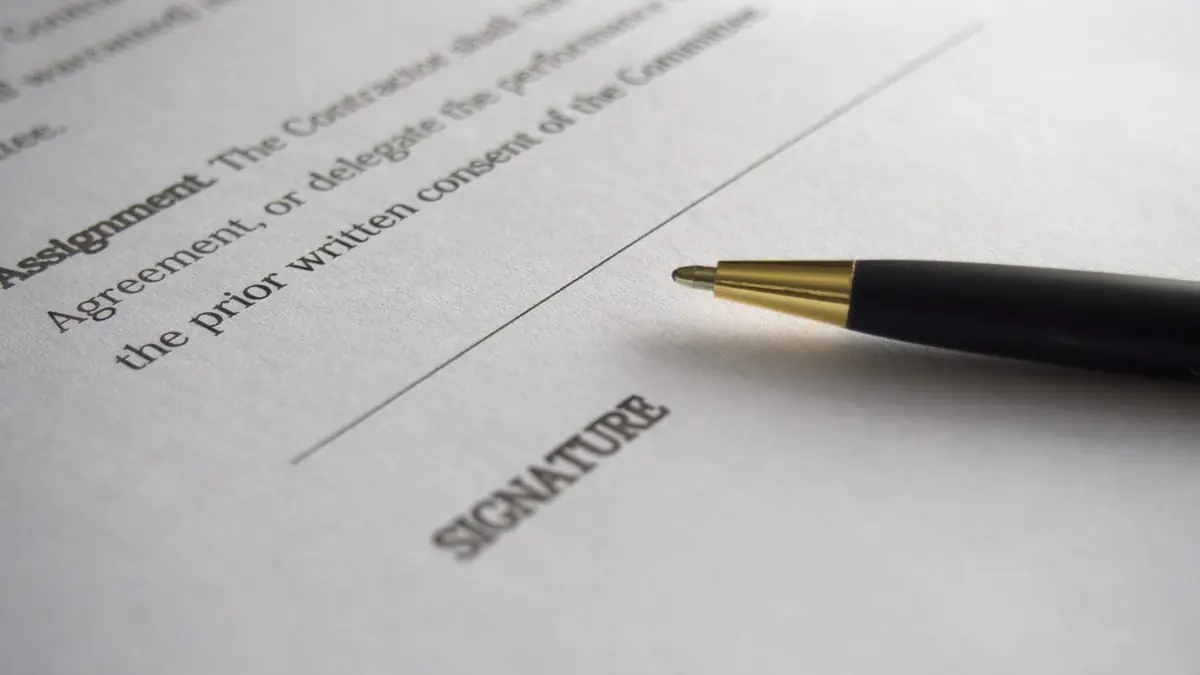
Renting a scientific instrument is often more complex than renting a car or a power tool. A typical rental agreement for a lab instrument runs 2–5 pages and covers everything from delivery and installation to calibration, insurance, and end-of-term obligations. Knowing what should be in the contract helps you avoid surprises and negotiate better terms.
This article breaks down the standard components of an instrument rental agreement, highlights common pitfalls, and gives you practical benchmarks for costs and timelines so you can review your next contract with confidence.
Parties, Term, and Equipment Description
Every rental agreement starts with the legal names of the lessor (the rental company) and the lessee (your lab), the rental term, and a precise description of the equipment. The description should include the manufacturer, model, serial number, and a list of included accessories—such as sample holders, software licenses, and power cables. Vague descriptions like “spectrophotometer” are a red flag; insist on the exact configuration.
The term can range from one month to several years. Most rental companies offer a minimum rental period of 1–3 months, with discounts for longer commitments. For example, a monthly rate might drop by 10–20% when you sign a 12-month contract. Make sure the agreement states the start date, end date, and renewal conditions. Auto-renewal clauses are common; note the notice period required to cancel, typically 30–60 days before the end date.
- Confirm serial numbers and accessories are listed.
- Check minimum rental period and renewal notice.
- Clarify whether software licenses are included.
Delivery, Installation, and Training
Who pays for shipping and installation? Many agreements bundle delivery and installation into the rental fee, but some charge separately. Typical delivery costs for a benchtop instrument range from $150 to $500, while installation and calibration by a technician can add $300–$800. If the instrument requires special utilities (e.g., compressed air, cooling water), the contract should specify who is responsible for site preparation.
Training is another item that varies. Some rental companies provide a basic orientation (1–2 hours) at no extra cost, while others charge for on-site training. For complex instruments like HPLC systems or mass spectrometers, ask for a training session to be included or priced explicitly. Also clarify whether remote support is available and at what cost.
- Check if shipping and installation are included.
- Confirm site preparation responsibilities.
- Ask about training and remote support.
Rental Fees, Payment Terms, and Deposits
Rental fees are typically quoted monthly and billed in advance. Payment terms vary: net 30 is common, but some companies require payment upfront or a security deposit. Deposits usually range from one to three months' rent and are refundable upon return, minus any damages. For high-value instruments, a deposit of 10–20% of the equipment's value may be required.
Watch for additional fees: late payment penalties (often 1–1.5% per month), early termination fees (which can be 50–100% of the remaining rent), and restocking fees. If you need to modify the rental period, ask about flexibility. As a rule, it's cheaper to extend a rental than to terminate early. For a detailed cost breakdown, see How Much Does It Cost to Rent a Laboratory Balance?.
- Understand deposit amount and refund conditions.
- Note late payment and early termination fees.
- Negotiate flexibility for term extensions.
Maintenance, Calibration, and Repairs
Who is responsible for routine maintenance and calibration? Most rental agreements include preventive maintenance and calibration at the lessor's expense, but the details matter. Some contracts specify that calibration is performed annually, while others require it every six months or after each use. For instruments like balances or pH meters, calibration frequency can affect your results; ensure the contract aligns with your quality system.
Repairs are another critical area. Typically, the lessor covers repairs for normal wear and tear, but you may be liable for damage caused by misuse or negligence. The agreement should define what constitutes misuse and outline the process for reporting malfunctions. Response times for repairs are often stated (e.g., within 48 hours), and a loaner instrument may be provided if repairs take longer than a week. For more on this, see Calibration and Maintenance for Rented Lab Equipment.
- Clarify calibration frequency and responsibility.
- Understand liability for damage.
- Check repair response times and loaner policy.
| Item | Typical Range | Notes |
|---|---|---|
| Security deposit | 1–3 months' rent | Refundable minus damages |
| Delivery & installation | $150–$800 | Often included in higher-end rentals |
| Training (on-site) | $0–$500 | Basic orientation may be free |
| Insurance (if purchased) | 1–3% of equipment value per month | Alternative to your own policy |
| Calibration frequency | Every 6–12 months | Included in most contracts |
| Repair response time | 24–72 hours | Loaner may be provided |
| Early termination fee | 50–100% of remaining rent | Negotiable for long-term contracts |
Insurance and Liability
Insurance is often the most negotiated part of an instrument rental agreement. The lessor typically requires you to insure the equipment against damage, theft, and loss. You can either provide a certificate of insurance from your lab's policy or purchase coverage through the rental company. The latter is convenient but may cost 1–3% of the equipment value per month.
Check what your existing lab insurance covers. Many policies have limits for rented equipment, so you may need a rider. The agreement should specify the required coverage amount (often the replacement value of the instrument) and whether you are responsible for deductibles. Also, clarify liability for third-party damages or injuries caused by the instrument.
- Verify your insurance covers rented equipment.
- Compare cost of lessor's insurance vs. your own.
- Understand deductible and liability limits.
Return Conditions and End-of-Term Obligations
The end of the rental term comes with its own set of obligations. Most contracts require you to return the equipment in good working order, with all accessories and manuals. Cleaning and decontamination may be required, especially for instruments used with biological or radioactive samples. Some lessors charge a cleaning fee if the equipment is not returned in acceptable condition.
Inspection upon return is standard; the lessor may take 5–10 business days to assess damages. Any deductions from the deposit should be itemized. To avoid disputes, document the condition of the equipment at both delivery and return with photos and a signed checklist. For a detailed checklist, see What to Check When Returning Rented Lab Equipment.
- Document equipment condition at delivery and return.
- Confirm cleaning and decontamination requirements.
- Ask for an itemized damage assessment.
- Always confirm what's included: delivery, installation, training, and calibration can add hundreds of dollars if not bundled.
- Insurance and liability clauses are negotiable; compare the cost of the lessor's policy with adding a rider to your own.
- Document equipment condition at delivery and return to avoid deposit disputes.
- Watch for auto-renewal and early termination fees; negotiate flexibility if your project timeline is uncertain.
Daniel has spent years helping laboratories source and manage scientific instruments through rental programs. He focuses on making equipment costs and contract terms easier to understand for research and quality teams. His writing covers practical rental planning, calibration, and lab logistics.