Spectrophotometer Rental vs Buying: Cost and Flexibility
By Daniel Whitmore · Published · Updated · 4 min read
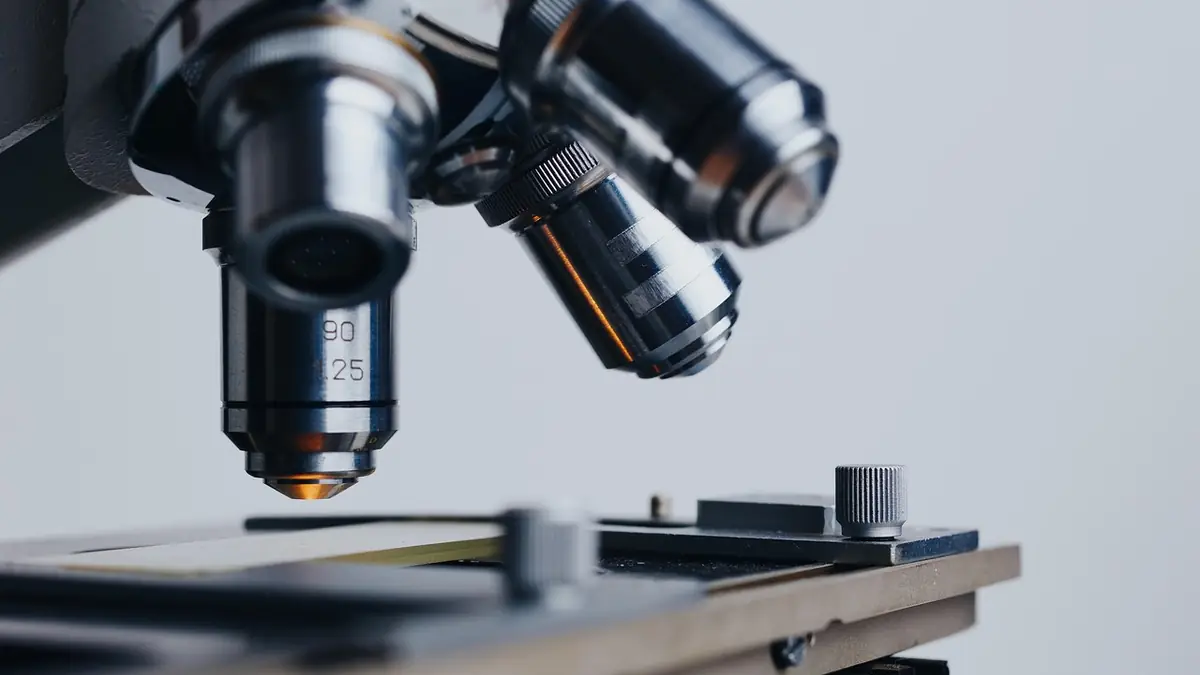
A bench UV-Vis or a microplate reader can cost anywhere from a few thousand to well over sixty thousand dollars, and the purchase price is only the first line on the spreadsheet. Lamp modules, calibration, service contracts, and the bench space it occupies all add up over a five- to ten-year life.
This comparison looks at when renting a spectrophotometer is the cheaper and more sensible route, and when buying still wins. The numbers below are typical market ranges, not quotes; your instrument class, wavelength range, and required accessories will move them.
What a Spectrophotometer Actually Costs to Own
A single-beam UV-Vis for routine absorbance work typically runs $4,000–$12,000 new, while a double-beam instrument with a wide wavelength range and variable bandwidth lands around $15,000–$40,000. Microplate readers for 96- and 384-well plates sit roughly between $12,000 and $60,000 depending on detection modes (absorbance only versus fluorescence and luminescence).
The purchase price is roughly 60–70% of the true five-year cost. Add a service contract at about 8–12% of the instrument price per year, replacement lamps every 1,000–2,000 hours (often $200–$900 per lamp), and a calibration verification you should be running annually or semi-annually.
There is also the softer cost: bench footprint, a dedicated PC in many cases, and the staff time to run qualification checks. When a project ends or a method changes, resale value on a five-year-old spectrophotometer is typically 20–40% of the original price, and finding a buyer takes months.
- New single-beam UV-Vis: $4,000–$12,000
- Double-beam UV-Vis: $15,000–$40,000
- Microplate reader: $12,000–$60,000
- Annual service contract: 8–12% of purchase price
- Replacement lamps: $200–$900 each, every 1,000–2,000 hours
What Renting a Spectrophotometer Costs
Monthly rental for a routine UV-Vis commonly falls in the $300–$900 range, with double-beam and higher-spec instruments at roughly $800–$2,000 per month. Microplate readers with multi-mode detection tend to run $700–$2,500 monthly. Short rentals of a week or two are priced higher per day, often $150–$500 per day depending on the class of instrument.
Most of those rates include calibration documentation, maintenance, and repair or replacement if the unit fails. That matters because a failed lamp in month two of a purchase is your invoice; under a rental agreement it is usually the provider's. The trade-off is that you rarely get the lowest headline cost per month, and rental terms typically run 1–12 months before long-term pricing improves.
For a project with a defined end date, renting is almost always cheaper than buying and reselling. For an instrument used daily for years, the math flips. The break-even for a mid-range UV-Vis usually lands somewhere between 18 and 30 months of continuous use, so be honest about the horizon before deciding.
- Routine UV-Vis rental: $300–$900 per month
- High-spec double-beam: $800–$2,000 per month
- Multi-mode plate reader: $700–$2,500 per month
- Short daily rentals: $150–$500 per day
| Cost item | Buy (new) | Rent (36 months) | Rent (12 months) |
|---|---|---|---|
| Instrument / rental fees | $22,000 | $21,600 | $9,600 |
| Service and calibration | $9,000 | Included | Included |
| Lamps and consumables | $1,800 | Included | Included |
| Shipping and installation | $700 | $400 | $400 |
| Resale recovery (est.) | -$7,000 | $0 | $0 |
| Approximate net cost | $26,500 | $22,000 | $10,000 |
Hidden Costs on Both Sides
On the rental side, watch delivery and installation charges (often $200–$800 depending on distance and instrument size), consumables such as cuvettes and plates, and any qualification work beyond standard calibration, like IQ/OQ packages. If your method needs a specific cell holder or a temperature-controlled cuvette block, confirm it is included before signing.
On the purchase side, the surprises are shipping, installation, and the first service contract, which some vendors quote separately. Software licences for plate readers can be several thousand dollars and are sometimes tied to a single workstation. Budget for requalification after any major repair, and remember that warranty coverage typically runs only 12 months.
Either way, get the calibration and maintenance responsibilities in writing. Our guide to what is included in a scientific instrument rental agreement covers the clauses worth checking, and calibration and maintenance for rented lab equipment explains what documentation to expect at handover.
Flexibility and Speed: Where Renting Wins
A spectrophotometer purchase usually means a four- to twelve-week lead time, plus installation and qualification. Rental providers can often deliver within days to a couple of weeks for common instrument classes, which matters when a method transfer, a spike in sample volume, or a grant deadline will not wait.
Renting also lets you try before committing. Running your actual samples on a double-beam versus a single-beam instrument for a month tells you more than a specification sheet. If throughput grows, you can step up to a plate reader; if the project shrinks, you hand the instrument back rather than storing it.
This flexibility is why rentals feature heavily in moving labs: renting equipment during a relocation and in bridging gaps when a shared instrument goes down for repair. It is less about saving money in absolute terms and more about matching cost to a known, finite period of need.
- Delivery in days to two weeks for common models
- No resale risk when the project ends
- Try a specification before committing to it
- Easy step-up or step-down as throughput changes
When Buying Still Makes Sense
If the instrument runs daily, sits at the centre of a validated method, and will still be in use in five years, buying is the lower-cost path. Long-term rental rates improve with term length, but they rarely beat ownership past roughly three years of heavy use once you account for the resale value at the end.
Buying also suits labs with specific configuration needs: custom sample handling, integration with a LIMS, or a wavelength range that rental fleets rarely stock. In those cases, the right move is often to buy the specialised instrument and rent the general-purpose backup.
A middle route is worth considering: buy the workhorse, rent the occasional instrument for peak loads or one-off assays. That keeps capital expenditure down while preserving capability when demand spikes. Our comparison of short-term vs long-term lab equipment rental lays out how the pricing curves behave over 1, 3, and 12 months.
Practical Decision Checklist
Start with the honest usage forecast: samples per week, days per month the instrument is needed, and the date the work realistically ends. Then get a rental quote and a purchase quote side by side, both including service, calibration, and consumables for the same period. The gap is usually clearer than expected.
Check the contractual details too: notice period, early-return fees, damage liability, and who pays for shipping on return. Returning equipment has its own checklist—see what to check when returning rented lab equipment—and a clean handback protects your deposit. If the instrument is central to a regulated method, confirm the provider supplies traceable calibration certificates before you commit.
- Forecast samples per week and the project end date
- Compare total cost including service and calibration
- Confirm installation, shipping, and consumables
- Check notice periods and early-return fees
- Verify calibration certificates meet your method
- Renting wins for defined projects under roughly 18–30 months of use.
- Buying wins once an instrument runs daily for three or more years.
- Rental rates usually include calibration and repair; purchase contracts do not.
- Compare total cost including service, lamps, shipping, and resale before deciding.
Daniel has spent years helping laboratories source and manage scientific instruments through rental programs. He focuses on making equipment costs and contract terms easier to understand for research and quality teams. His writing covers practical rental planning, calibration, and lab logistics.